




Rubber-Metal Buffer

General information
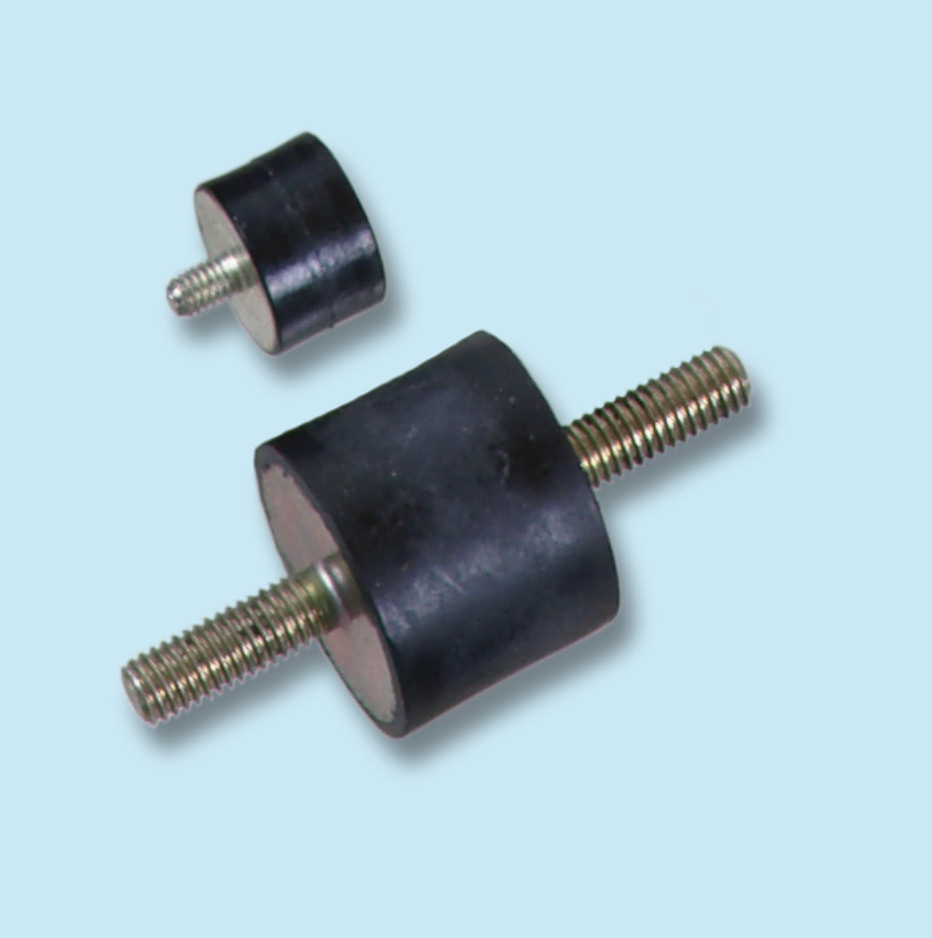
Rubber buffers are used to reduce the transmission of vibrations and oscillations from machines to mountings and machine housings. Since there is no metal contact between the individual components, the rubber-metal buffers effectively reduce the transmission of mechanical and acoustic vibrations.
Areas of application include:
- Automotive engineering
- Motor and drive technology
- House and bridge construction
- Printing and textile machinery
- Elevator, equipment, and apparatus construction
- Machine tools
- Vibratory rollers
- Cab bearings for tractors, excavators, etc.
- Engine mount/unit mount
- Axle bearing
- and much more
In addition to being used to absorb vibrations or cushion moving masses, rubber-metal buffers are also used to accommodate temperature-related changes in the shape of structural components.
The elastomers used are mostly NR, NBR, and EPDM.
The spring capacity of the rubber buffers is determined by the material hardness. The hardnesses are 40 Shore A (soft), 55 Shore A (medium), and 70 Shore A (hard). Other materials and hardness grades are available on request.
The metal parts are usually made of galvanized steel, but we can also manufacture buffers with metal parts made of stainless steel or brass if required.
Rubber-metal buffers are only suitable for pressure or shear loads, but not for tensile loads.
Single-sided types with internal or external threads and double-sided types with internal or external threads or a combination of internal and external threads are available as standard. The single-sided buffers are also available in numerous cone shapes.
Thanks to the numerous designs and dimensions available, rubber-metal buffers are versatile and can be used in very small components as well as in large applications in construction machinery, railways, and even ships.
Design types
Below are some of the most common designs.
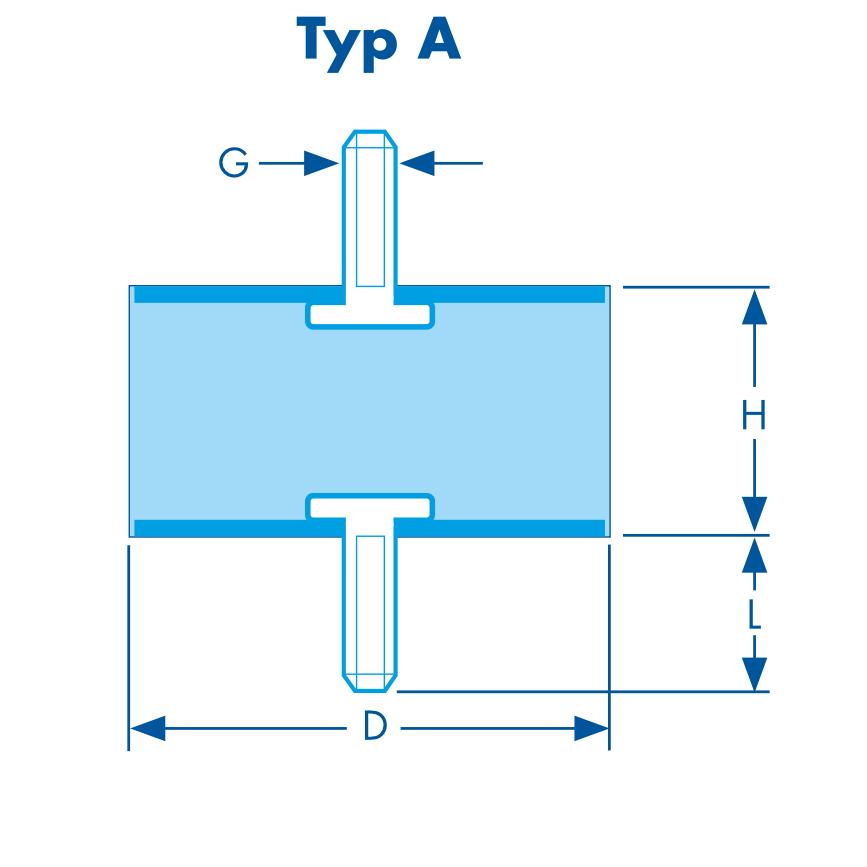
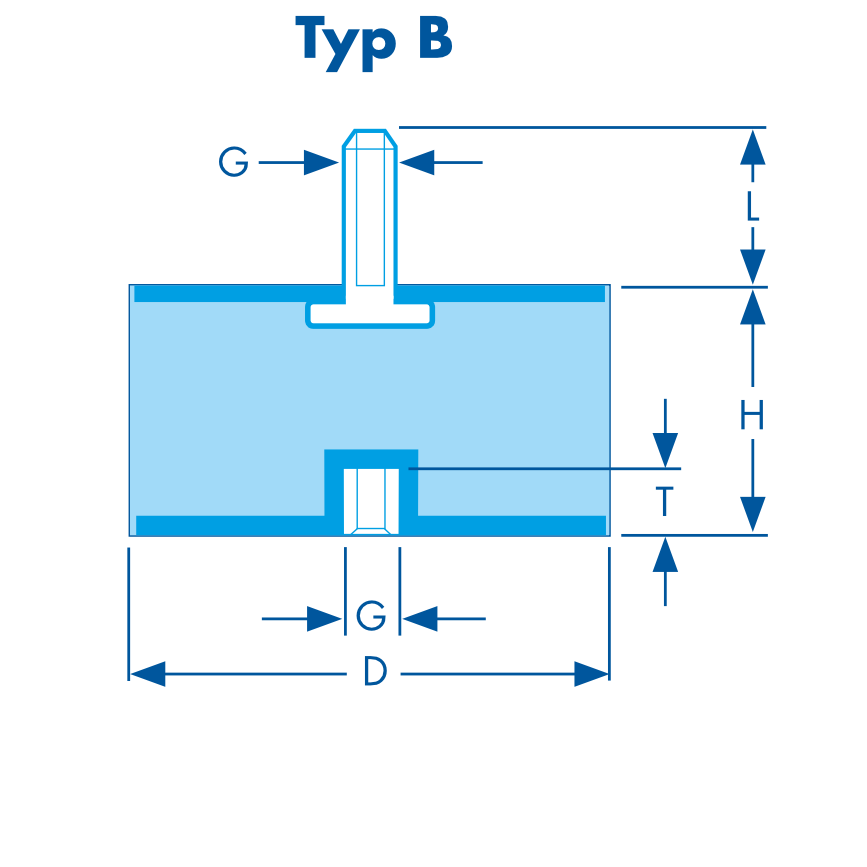
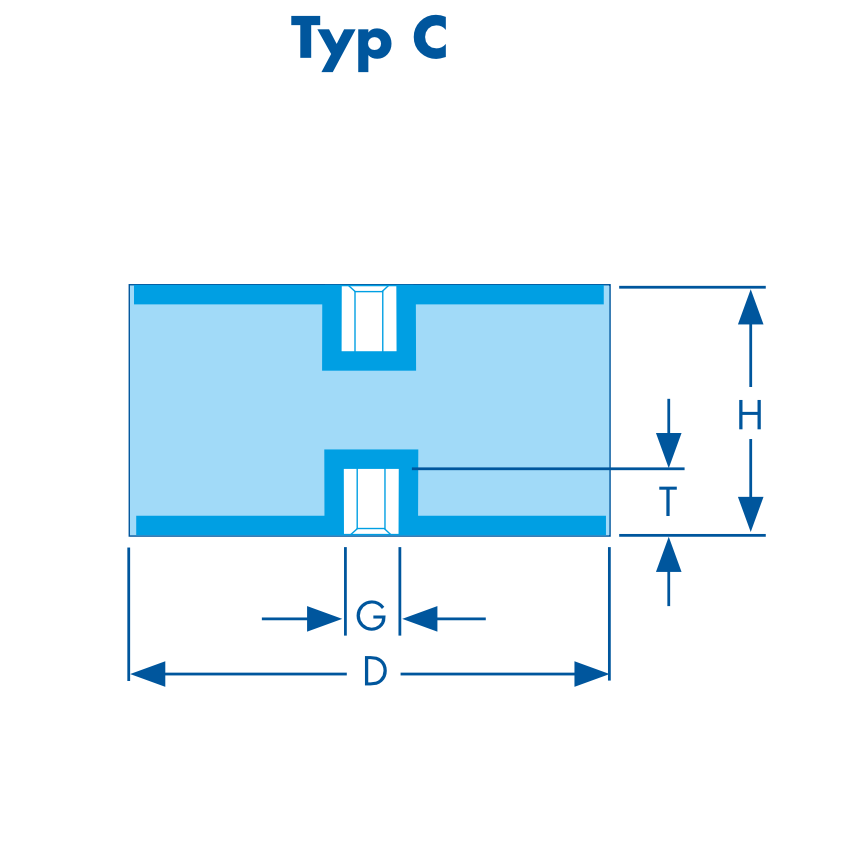
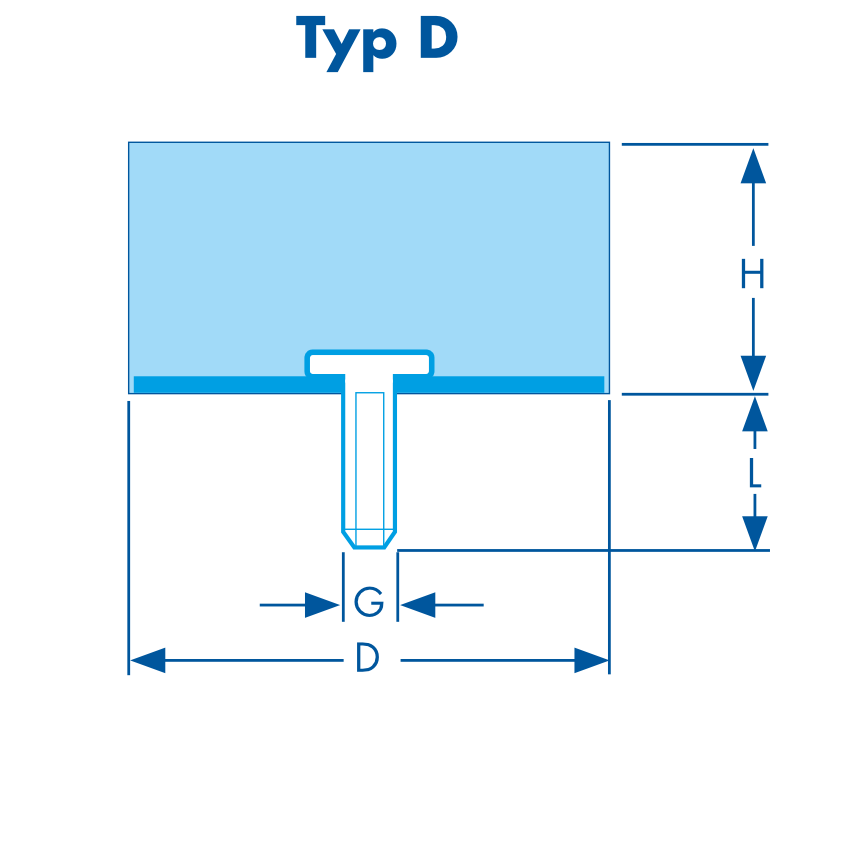
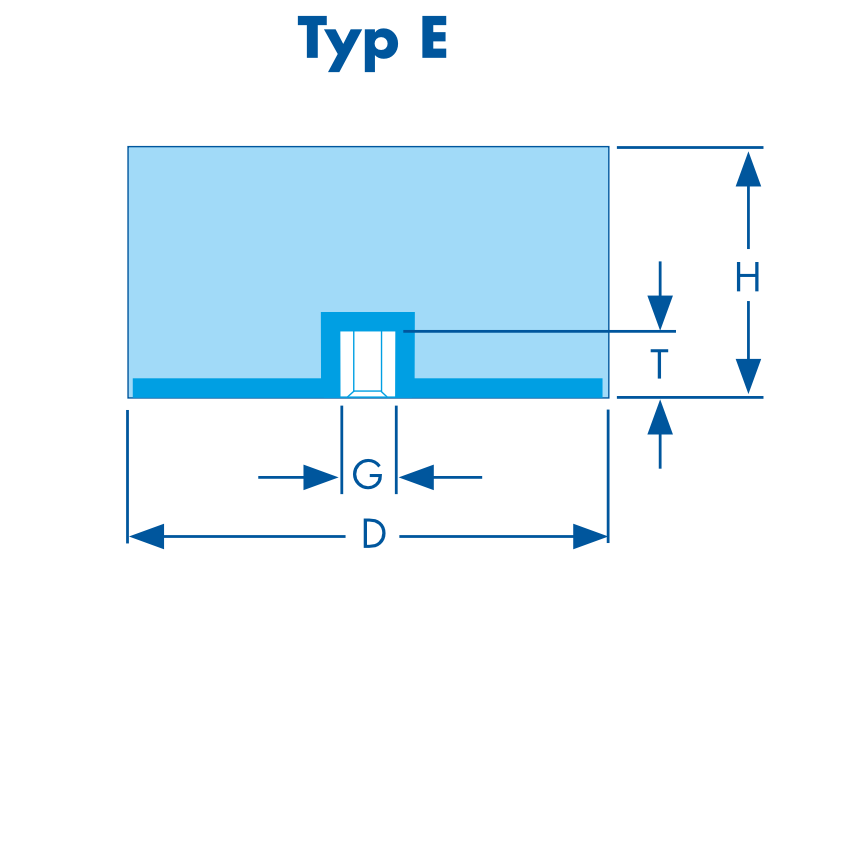
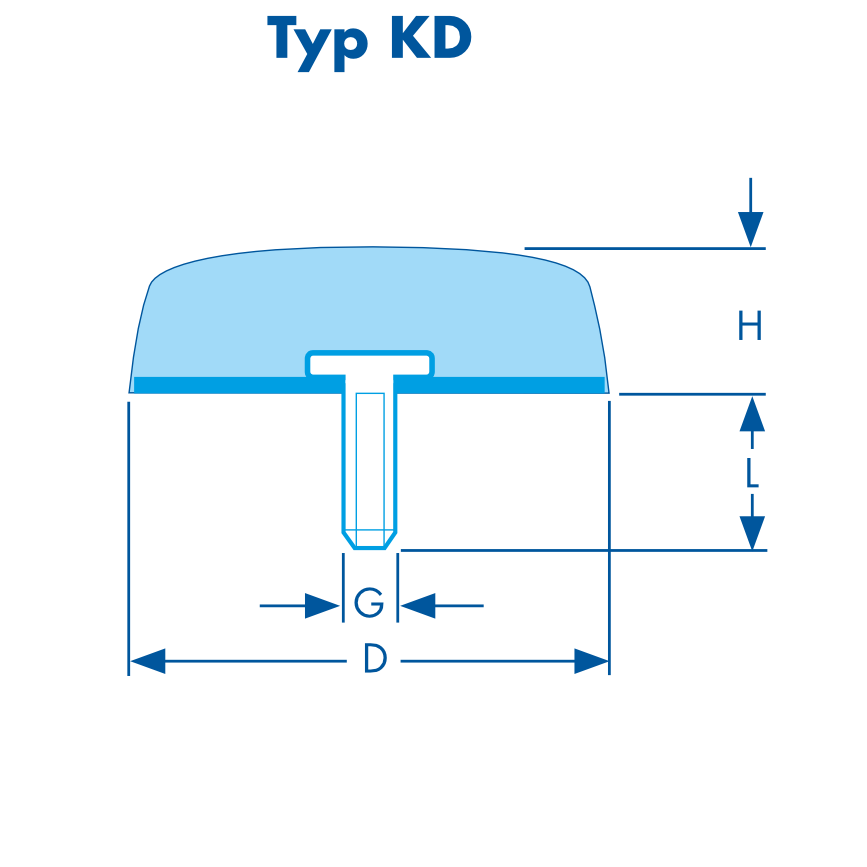
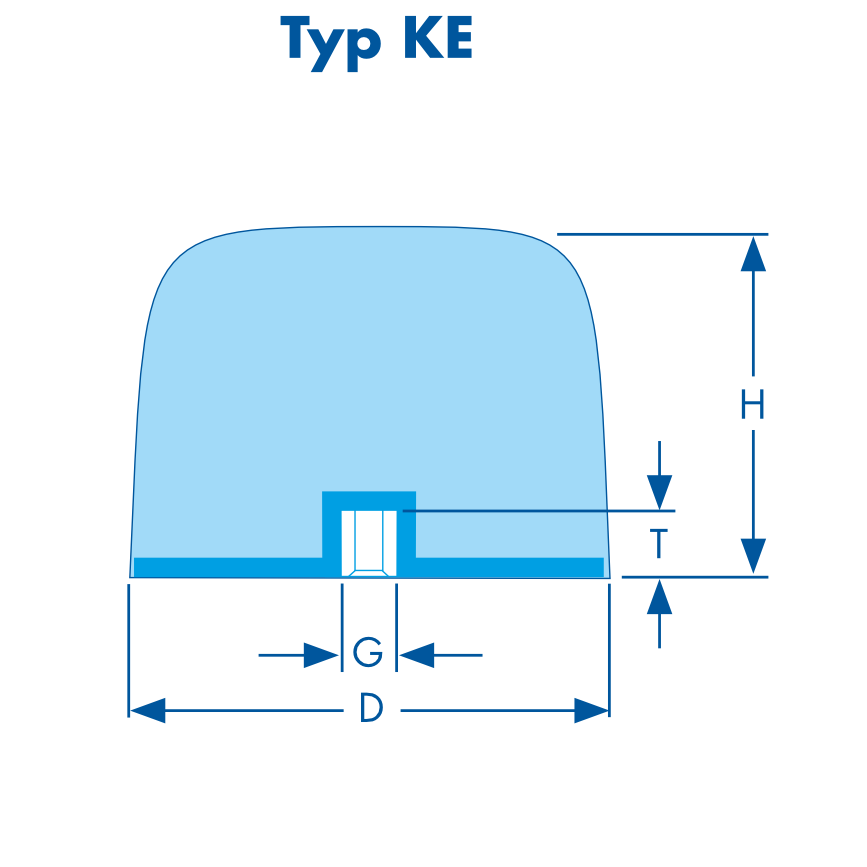
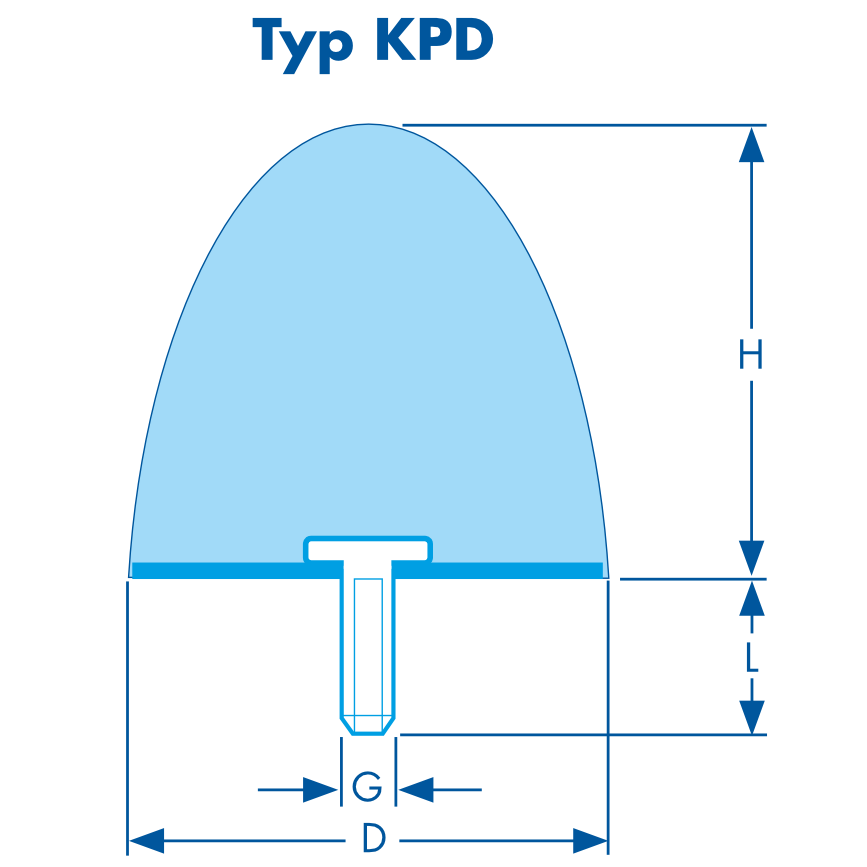
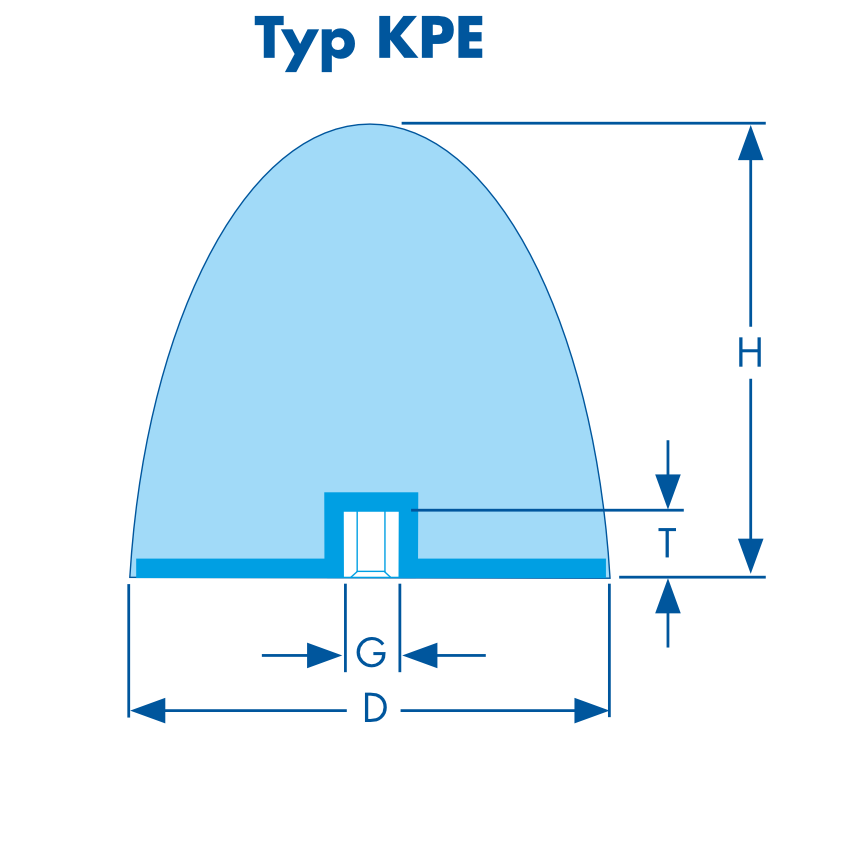
We are happy to offer additional types and custom designs specifically for your applications upon request.